Tag: vape pod

  • What testing is done on each vape pod batch?

    What testing is done on each vape pod batch?

    [et_pb_section fb_built="1" theme_builder_area="post_content" _builder_version="4.27.4" _module_preset="default" background_color="#000000" hover_enabled="0" sticky_enabled="0"][et_pb_row _builder_version="4.27.4" _module_preset="default" theme_builder_area="post_content"][et_pb_column _builder_version="4.27.4" _module_preset="default" type="4_4" theme_builder_area="post_content"][et_pb_image src="http://headless.local/wp-content/uploads/2025/08/What-testing-is-done-on-each-vape-pod-batch.jpg" _builder_version="4.27.4" _module_preset="default" theme_builder_area="post_content" align="center" hover_enabled="0" sticky_enabled="0" alt="What testing is done on each vape pod batch" title_text="What testing is done on each vape pod batch"][/et_pb_image][et_pb_text _builder_version="4.27.4" _module_preset="default" theme_builder_area="post_content" hover_enabled="0" sticky_enabled="0"]

    August 14, 2025 / Blog / By administrator

    [/et_pb_text][et_pb_text _builder_version=”4.27.4″ _module_preset=”default” theme_builder_area=”post_content” hover_enabled=”0″ sticky_enabled=”0″]

    What testing is done on each vape pod batch?

    We take every batch of vape pods very seriously. As a professional vape brand, we are committed to ensuring that every batch of pod systems we release meets stringent safety, performance, and regulatory requirements. This responsibility begins long before the finished product is produced. Therefore, we have designed and implemented a tiered quality program encompassing incoming material inspection, process monitoring, end-of-line electrical and functional testing, e-liquid chemical analysis, and environmental and reliability testing. We also employ statistical quality control and comprehensive traceability to ensure that every batch is auditable.

    Incoming Material and Supplier Verification for Vape Pod

    Quality begins with the raw materials. For each batch of vape pods, we first verify all components from our approved suppliers: cartridges, mouthpieces, coil assemblies or battery assemblies, seals and O-rings, and filler solvent. Throughout the process, we perform visual and dimensional inspections, using automated inspection (AOI) or manual inspections to check for cosmetic defects, mold burrs, and dimensional tolerances. We also require MTRs and declarations of compliance for RoHS/REACH and other restricted substances.

    When testing e-liquid raw materials, we require certificates of analysis for nicotine, PG/VG ratio, and flavor purity. We also perform flavor identity testing (GC-MS) to screen for banned compounds. Throughout the validation process, we adhere to a statistical sampling plan (AQL/ISO 2859-1) for routine batches and conduct enhanced sampling for new or non-conforming suppliers. Incoming parts that fail the quality standards are quarantined.

    Vape Pod Assembly Process Control and Automated Verification

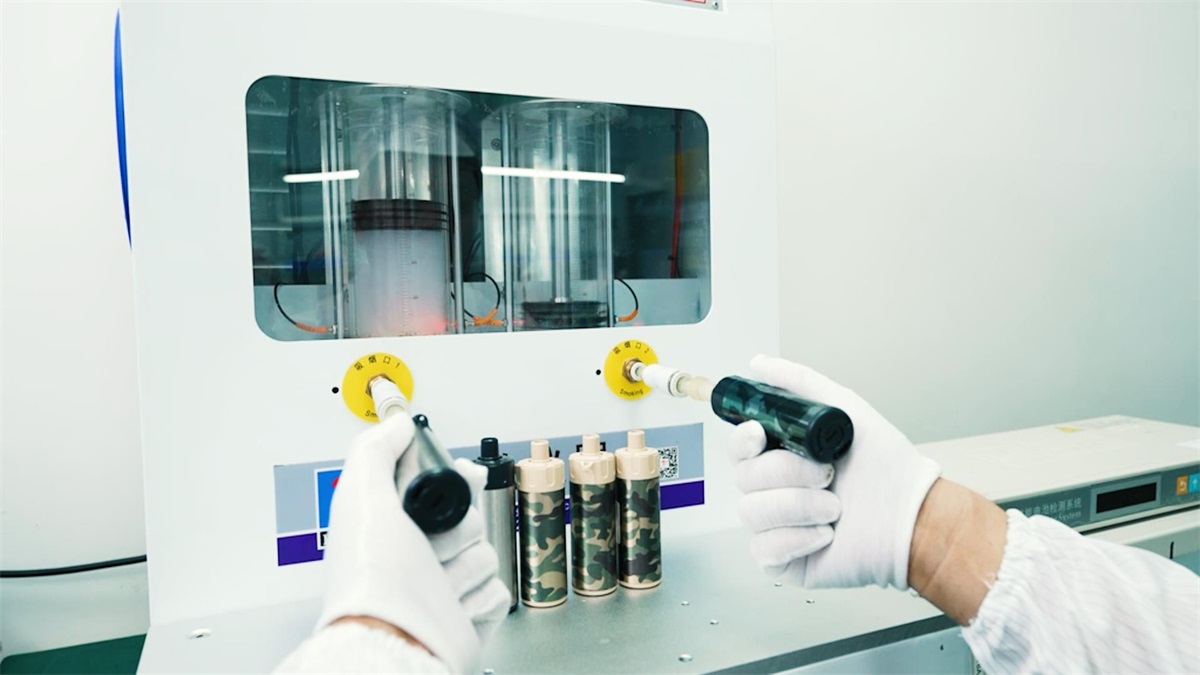
    We implement real-time control and verification during pod system production to prevent defects from spreading. Our pick-and-place machines and automated assembly cells use vision systems to confirm component presence, orientation, and torque settings. For replaceable or built-in coils, we test coil samples online for resistance. Abnormal resistance values trigger a production stop and rejection. Empty capsules destined for subsequent filling undergo pressurized air or vacuum bubble testing after a specified curing time to verify the integrity of their seals. Automated testing can detect micro-leaks that visual inspection might miss. If the pod or battery pack contains firmware or a device ID, we verify correct programming and unique ID assignment before capping.

    Vape Pod Assembly Process Control and Automated Verification

    Final Functional and Electrical Safety Testing

    Before release, each finished vape pod batch undergoes comprehensive functional, electrical safety, and protection circuit testing. Final automated or manual inspection of the finish, printing, and labeling (including nicotine warnings and batch coding) occurs at the end of the core production line. Electrical and protection testing includes open-circuit voltage and polarity verification of the battery pack, as well as functional testing that measures coil resistance to ensure compliance with specifications and continuity. Voltage/current under a defined load is measured to confirm vapor production is within the expected power range. Immediate usability and first-puff experience are assessed using a mechanical puff device to simulate the user’s puffing action. We confirm the pod’s resistance and flow characteristics to ensure its puff feel matches the design.

    Chemical, Analytical, and Microbiological Testing of Vape Cartridges

    Chemical safety and ingredient accuracy are crucial for prefilled vape cartridges, so we perform laboratory analysis on both incoming raw materials and finished cartridges. Key chemical analyses include nicotine content and the PG/VG ratio, which are quantified using HPLC or GC to ensure label accuracy within specified tolerances. We also screen for volatile and semivolatile substances using gas chromatography-mass spectrometry to detect unexpected or prohibited compounds.

    medicinal cannabis testing

    While e-liquids are not sterile, we test for microbial contamination and perform additional testing as needed, particularly for e-liquids containing water or plant extracts. We maintain strict requirements for total aerobic colony counts and pathogen counts. Furthermore, we assess the chemical and sensory stability of our products at high temperatures to simulate their shelf life. We track nicotine degradation, flavor changes, and color changes.

    Providing a safe consumer experience

    We conduct incoming material inspection, process control, end-of-line functional and electrical safety testing, and rigorous chemical analysis of prefilled liquids. Traceability and rigorous sampling procedures ensure product compliance with design intent and regulatory requirements, protecting consumers.

    [/et_pb_text][et_pb_code _builder_version=”4.27.4″ _module_preset=”default” global_colors_info=”{}” theme_builder_area=”post_content”]Share On:[Sassy_Social_Share][/et_pb_code][/et_pb_column][/et_pb_row][/et_pb_section]
  • Effect of vape pod vapor temperature on comfort and flavor retention

    Effect of vape pod vapor temperature on comfort and flavor retention

    [et_pb_section fb_built="1" theme_builder_area="post_content" _builder_version="4.27.4" _module_preset="default" background_color="#000000" hover_enabled="0" sticky_enabled="0"][et_pb_row _builder_version="4.27.4" _module_preset="default" theme_builder_area="post_content"][et_pb_column _builder_version="4.27.4" _module_preset="default" type="4_4" theme_builder_area="post_content"][et_pb_image src="http://headless.local/wp-content/uploads/2025/06/vape-pod-9-1.webp" _builder_version="4.27.4" _module_preset="default" theme_builder_area="post_content" module_alignment="center" align="center" hover_enabled="0" sticky_enabled="0" alt="vape pod 9-1" title_text="vape pod 9-1"][/et_pb_image][et_pb_text _builder_version="4.27.4" _module_preset="default" theme_builder_area="post_content" hover_enabled="0" sticky_enabled="0"]

    June 17, 2025 / Blog / By administrator

    [/et_pb_text][et_pb_text _builder_version=”4.27.4″ _module_preset=”default” theme_builder_area=”post_content” hover_enabled=”0″ sticky_enabled=”0″]

    Effect of vape pod vapor temperature on comfort and flavor retention

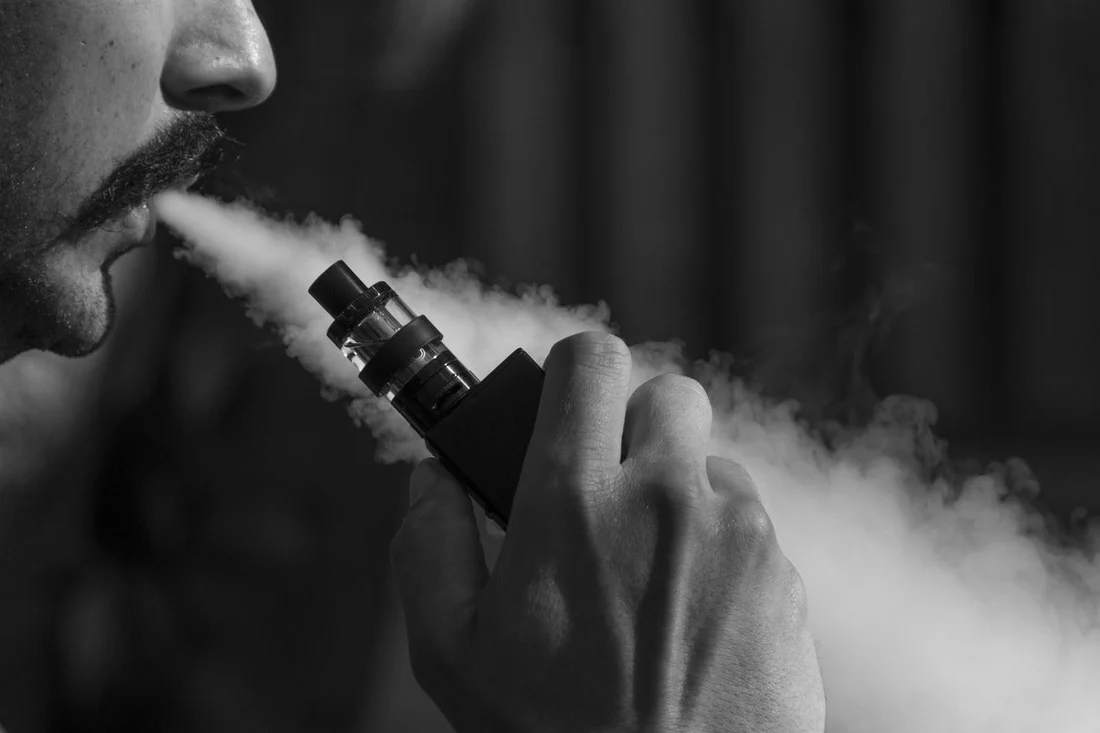
    The temperature of the vapor produced by a vape pod is central to user comfort and flavor retention. Many vape pod users want a smooth puff without the burning sensation while also eager to fully express their favorite e-liquid. Achieving this balance requires understanding how coil power, airflow, and vape pod cartridge resistance work together to affect vapor temperature. For example, increasing power raises coil temperature, producing hotter vapor that irritates the throat and dilutes the otherwise delicate taste. Conversely, if the temperature of vape pods is too low, it may result in insufficient vaporization of the e-liquid, resulting in thin vapor and a dull taste.

    How vape pod vapor temperature affects throat hit?

    Typically, higher vapor temperatures enhance throat hits, similar to the irritation of traditional cigarettes. While some veteran smokers may enjoy this familiar high, others find excessive throat hits stinging and pungent. Lowering the temperature can reduce the irritation of nicotine, making each puff smoother and more enjoyable for sensitive users.

    Additionally, the coil material and design of the vape pod can also have a significant impact. For example, using a Kanthal coil heats up more slowly, providing a gentle warmth that is perfect for medium-temperature e-cigarettes. In contrast, ceramic or mesh coils reach their peak temperature more quickly and provide a stronger throat hit at the same power level. If you experience throat discomfort during use, try reducing the power by 1-2 watts or switching to a coil with higher resistance. As a result, you will reduce the vapor temperature, thereby reducing the throat hit without affecting the density of the vapor.

    vape pod 10-1

    Flavor Retention at Different Temperatures

    At higher temperatures, certain flavors—such as delicate fruits, rich custard, or floral tea extracts—may degrade, leaving behind burnt or caramelized flavors. Conversely, while lower vapor temperatures can preserve these subtle flavor components, they may not fully evaporate heavier flavor molecules, resulting in a thin, watery mouthfeel.

    To maximize flavor retention, first choose a liquid with a balanced VG/PG ratio. Liquids with higher PG content evaporate at lower temperatures, which improves the clarity of the e-cigarette liquid’s flavor in the lower-temperature cartridge. Next, adjust the power or temperature control setting of the cartridge device in small steps and taste the same flavor at each step. Then, gradually find the optimal temperature by lowering the temperature in 5°C increments until you notice a decrease in sweetness or fruitiness. If it’s too low, increase the temperature.

    Vape pod flavor characteristics and temperature dynamics

    Each flavor responds differently to changes in vape pod temperature. For example, menthol and mint blends are usually stronger and more pronounced at lower temperatures, providing a cooling sensation even in lower-temperature vapor. However, vanilla, caramel, and dessert flavors are generally better suited to medium temperatures (200-220°C). If your flavors taste bland, you can increase the temperature slightly.

    Similarly, complex blends of vape pod flavors, such as multi-layered fruity mint or multi-note tobacco, also require careful calibration. Start with a lower temperature, distinguish each note, and then gradually increase the temperature. By recording your findings, you can establish optimal temperature settings for each e-liquid, ensuring consistent flavors every time you refill your vape pod cartridge.

    Optimal temperature range for the best experience

    Most vape pods generally perform best in the 180-240 °C range. In the lower temperature range, you can enjoy a smooth vaping experience and a bright, delicate taste. In the higher temperature range, you can get maximum smoke production and a richer flavor. Different types of coils, especially ceramic or mesh coils, have a narrow temperature range to prevent the coil from burning out or the wick from clogging. At the same time, you can use a reliable digital thermometer or a temperature control device built into the small smoke to ensure accuracy. By staying in the optimal temperature range, the vape pod can provide a perfect blend of comfort, continuous throat hit, and rich taste.

    lost-vape-thelema-nano-performance

    Effective temperature control technology to ensure stable performance

    The right temperature control tools and techniques enable you to regulate the steam temperature accurately. Many vape pods have built-in adjustable power or temperature control (TC) modes. In TC mode, the device continuously monitors the change in coil resistance in real-time and adjusts the power output to maintain the target temperature. For devices without temperature control devices, power adjustment can be used as an alternative to temperature control. At this time, you can adjust the power in small increments and sample the smoke until you achieve a comfortable taste balance. Of course, in daily use, you can clean the cartridge regularly and replace the coil at the interval recommended by the manufacturer to ensure a reliable temperature response.

    Ensure consistency and a satisfying taste experience

    The performance of vape pods depends in part on continuous vapor temperature management, which is enhanced when the interaction between coil material, power, air intake, and e-liquid composition is understood and the device is fine-tuned to strike a balance between comfort and taste. Finally, regular maintenance, such as cleaning contacts, properly preheating coils, and replacing cartridges on time, can further maintain long-term temperature accuracy.

    [/et_pb_text][et_pb_code _builder_version=”4.27.4″ _module_preset=”default” global_colors_info=”{}” theme_builder_area=”post_content”]Share On:[Sassy_Social_Share][/et_pb_code][/et_pb_column][/et_pb_row][/et_pb_section]
  • How to prevent vape pod coil delamination?

    How to prevent vape pod coil delamination?

    [et_pb_section fb_built="1" theme_builder_area="post_content" _builder_version="4.27.4" _module_preset="default" background_color="#000000" hover_enabled="0" sticky_enabled="0"][et_pb_row _builder_version="4.27.4" _module_preset="default" theme_builder_area="post_content"][et_pb_column _builder_version="4.27.4" _module_preset="default" type="4_4" theme_builder_area="post_content"][et_pb_image src="http://headless.local/wp-content/uploads/2025/05/vape-pod-coil-delamination.jpg" _builder_version="4.27.4" _module_preset="default" theme_builder_area="post_content" align="center" hover_enabled="0" sticky_enabled="0" alt="vape pod coil delamination" title_text="vape pod coil delamination"][/et_pb_image][et_pb_text _builder_version="4.27.4" _module_preset="default" theme_builder_area="post_content" hover_enabled="0" sticky_enabled="0"]

    May 13, 2025 / Blog / By administrator

    [/et_pb_text][et_pb_text _builder_version=”4.27.4″ _module_preset=”default” theme_builder_area=”post_content” hover_enabled=”0″ sticky_enabled=”0″]

    How to prevent vape pod coil delamination?

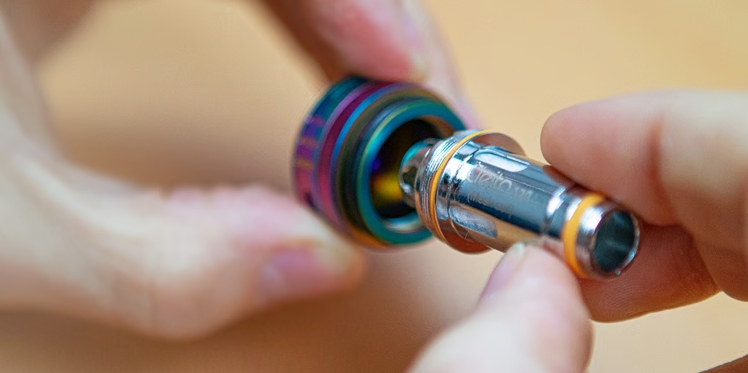
    Coil delamination in vape pods occurs when the internal windings of the coil separate from the outer shell or lose close contact with the wicking material, resulting in uneven heating, burnt odors, and reduced vapor volume. Inconsistent coil integrity can lead to hot spots, which accelerate e-liquid degradation, shorten coil life, and even inhale metal particles that can harm health. Coil delamination can occur due to thermal stress, improper adhesive selection, and suboptimal coil materials. Lostvape addresses the root causes of delamination from manufacturing controls to end-user maintenance practices, allowing vape pod users to enjoy consistent performance and longer coil life.

    Selecting High-Quality Coil Materials and Adhesives for Vape Pod

    The coil assembly is at the heart of a vape pod, typically composed of a cotton wick or ceramic core wrapped with kanthal, nickel-chromium, or stainless steel wire. However, temperature fluctuations can weaken the bond joint without proper bonding between the coil and frame, leading to vape pod coil delamination. Lostvape uses medical-grade ceramic adhesives with high thermal stability and low outgassing to ensure the bond remains intact after thousands of heating cycles. Additionally, we source coil wire with precise alloy compositions to guarantee consistent resistivity and thermal expansion rates, thereby minimizing mechanical stress at interface points. During the coil winding process, an automatic tensioner maintains uniform winding. In contrast, a post-winding heat-curing process stabilizes the adhesive bond. It burns off any volatile residue, providing a safer, more reliable vaping experience and reducing the frequency of user-initiated complaints and device failures.

    Proper vape pod coil priming and soaking techniques

    Improper priming, lighting the coil before it is fully saturated, can result in uneven heating of the dry spot, which stresses the bond between the wire and the wick. To further prevent vape coil delamination, a multi-step priming regimen is recommended: First, apply 2-3 drops of e-liquid directly to the exposed coil to saturate the wick. Second, fill the e-liquid reservoir. Third, let the e-liquid reservoir sit for at least five minutes to allow the e-liquid to penetrate the wick fibers. Fourth, start vaping at a lower wattage and gradually increase to the target wattage over 5-10 puffs. This controlled rise ensures the coil is heated evenly, keeping the adhesive bonded and preventing tiny gaps that could spread into full delamination. Gently rotating the pod during resting promotes even moisture absorption throughout the fiber bundle, further mitigating the formation of isolated dry areas that affect coil adhesion.

    Proper vape pod coil priming and soaking techniques

    Use compatible e-liquids to maintain coil integrity.

    High concentrations of sweeteners or certain flavoring compounds caramelize on the coil’s surface, forming an insulating shell that locks in heat and stresses the bond between the vape pod coil wire and the core. We recommend choosing an e-liquid with a balanced VG/PG ratio, typically 50/50 to 70/30. And avoid high-sugar formulas with more than 10% sweeteners. In addition, using high-purity nicotine salts or freebase nicotine with a known pH can reduce long-term corrosive effects on coil materials. Flavoring blends containing citrus may be more acidic, so we recommend using a neutral pH e-liquid regularly to clean residue and keep the coil healthy. By standardizing on compatible e-liquids designed for vape pod systems, users can minimize residue buildup, maintain consistent heat transfer, and significantly reduce the likelihood of coil delamination, extending the life of each vape pod coil and optimizing overall device performance.

    e-liquids

    Routine Cleaning and Maintenance to Prevent Cartridge Delamination

    Proactively maintaining your vape cartridges can prevent coil delamination caused by debris buildup and corrosion. Experts recommend removing the cartridge weekly, draining the residual e-liquid, and gently rinsing the cartridge body with warm water while avoiding immersion of the coil’s bottom in water. For stubborn residue, use a cotton swab dipped in isopropyl alcohol to clean the mouthpiece and cartridge contacts, and then air dry thoroughly before refilling. Periodically perform a 2-3 second dry burn at low wattage to burn off light grime, and then cold draw with a cotton cartridge to remove deep deposits. In addition, inspect the O-rings, seals, and suction ports for signs of wear or residue buildup, and replace components as needed to maintain airtightness and optimal suction performance. These maintenance steps maintain the thermal bonding of the vape pod coils and prevent insulation degradation.

    Routine Cleaning and Maintenance

    Optimize Power and Airflow for Even Heating

    Excessive power can create hot spots that exceed the thermal limits of the adhesive, while restricted airflow can lead to uneven temperature distribution and localized overheating. Lostvape’s devices feature intelligent power control, memory presets, and adjustable airflow slots to fine-tune cooling around the coil. We recommend initially setting the power at the lower end of the coil’s rated range and then gradually increasing until the desired vapor and flavor are achieved, ensuring that the coil surface does not exceed the maximum temperature of the adhesive. Maintaining consistent airflow, neither completely closed nor completely open, promotes even heat dissipation and prevents scorching, allowing users to maintain the structural integrity of the vape coil and minimize adhesive degradation.

    Ensure Reliable Coil Performance

    Using high-quality coil materials and adhesives, applying a rigorous pre-treatment and cleaning regimen, selecting compatible e-liquids, and optimizing device settings can ensure that every vape delivers consistent, long-lasting performance. By following these guidelines, vapers can enjoy a smoother taste, strong vapor output, and significantly reduced delamination.

    [/et_pb_text][et_pb_code _builder_version=”4.27.4″ _module_preset=”default” global_colors_info=”{}” theme_builder_area=”post_content”]Share On:[Sassy_Social_Share][/et_pb_code][/et_pb_column][/et_pb_row][/et_pb_section]