Tag: vape flavors

  • How does the power of vape devices affect the vape flavors?

    How does the power of vape devices affect the vape flavors?

    [et_pb_section fb_built="1" _builder_version="4.27.4" _module_preset="default" background_color="#000000" global_colors_info="{}"][et_pb_row _builder_version="4.27.4" _module_preset="default" global_colors_info="{}"][et_pb_column type="4_4" _builder_version="4.27.4" _module_preset="default" global_colors_info="{}"][et_pb_image src="http://headless.local/wp-content/uploads/2025/09/vape-flavors-1-2-1.jpg" alt="vape flavors 1-2" title_text="vape flavors 1-2" align="center" _builder_version="4.27.4" _module_preset="default" module_alignment="center" hover_enabled="0" global_colors_info="{}" sticky_enabled="0"][/et_pb_image][et_pb_text _builder_version="4.27.4" _module_preset="default" global_colors_info="{}"]

    September 2, 2025 / Blog / By administrator

    [/et_pb_text][et_pb_text _builder_version=”4.27.4″ _module_preset=”default” global_colors_info=”{}”]

    How does the power of vape devices affect the vape flavors?

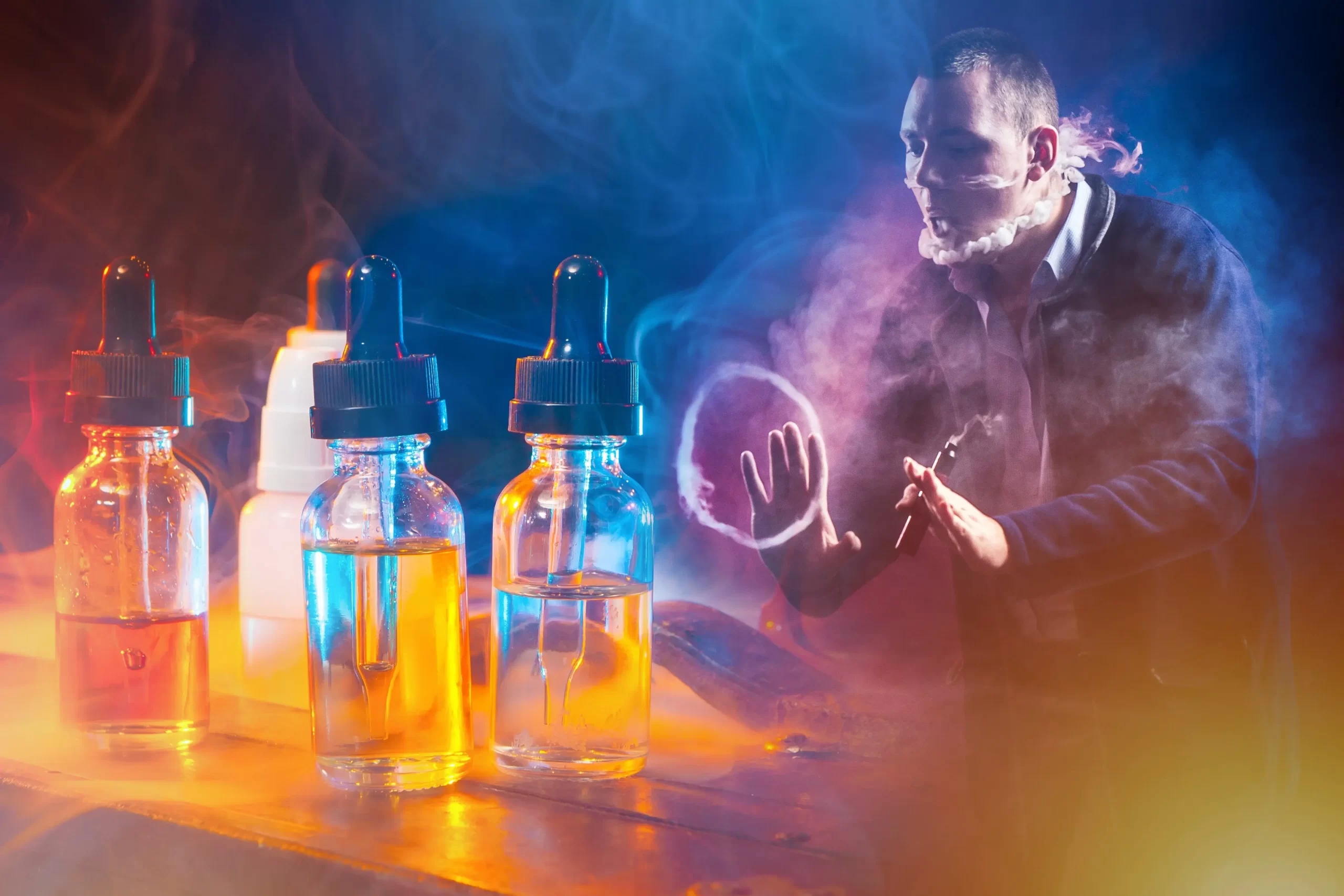
    The power of a vape device determines coil temperature and vapor production rate, two factors that determine which vape flavors compounds are released, their intensity on your taste buds, and whether you experience a clean, pleasant flavor or a harsh, burnt taste. This connection is direct and measurable. Low-power vape kits running at 10-30 watts produce a cool, concentrated vapor that emphasizes volatile, delicate flavor molecules, ideal for nicotine salts and high-PG e-liquids. In contrast, high-power vape kits operating at 50-80 watts produce high volumes of vapor and increase coil temperature, resulting in stronger base notes, increased sweetness, and enhanced throat warmth.

    Power, Heat, Vapor Production, and Vape Flavors Chemistry

    At the most basic level, the power applied to the coil determines its temperature and the rate at which the e-liquid evaporates upon contact with it. This process determines which flavor molecules are introduced into the aerosol. Light, volatile aromatics—such as bright citrus notes or aldehydes with floral top notes—evaporate easily at lower temperatures and therefore generally work best with low-power devices. Heavier compounds, such as sugars, caramel terpenes, and rich tobacco bases, require longer contact times or higher temperatures to volatilize and become perceptible. Their effects are more pronounced in medium- to high-wattage devices.

    Power also changes the size and density of aerosol particles. Higher power generally produces larger aerosol droplets and a higher total particle mass per inhalation, enhancing the taste and perceived sweetness. At sufficiently high coil temperatures, flavor compounds or sweeteners can degrade, producing off-flavors and unwanted byproducts. This is the root cause of “dry burn” and “burned coil” phenomena. For safety and practicality, each coil/liquid combination extracts the desired flavor compounds to the maximum extent possible within its optimal power range. Finding this sweet spot is central to tuning your pod or vape kit for optimal vaping taste.

    Vape Device Categories and Typical Power Ranges

    All devices perform differently, and this variation is crucial to taste. Pod kits are designed for efficiency and simplicity; they typically operate at around 10W to 30W, utilize high-resistance coils and small inlet ports, and are optimized for nicotine salts or high-PG blends. The low-wattage package facilitates the rapid vaporization of volatile flavor compounds, resulting in a concentrated, clean taste with a noticeable throat hit, a delight for many former smokers. The compact design also limits airflow and vapor volume, resulting in a more concentrated flavor profile with each inhalation.

    Box mods, on the other hand, offer a wider wattage range, typically 80-120W or even higher. These kits utilize low-resistance coils and robust airflow, producing large volumes of vapor and a warmer mouthfeel that highlights the more decadent flavors and sweetness of VG and concentrated flavors. Many vapor-conscious users prefer this style of e-liquid.

    lostvape Device Categories and Typical Power Ranges

    How Coil Design, Resistance, and Material Affect the Relationship Between Power and Vape Flavors

    The coil’s geometry and material convert applied power into localized heating and determine the efficiency of vape flavor extraction. Resistance determines the baseline current draw for a given voltage. Low-resistance coils heat up quickly and deliver more wattage for a given device voltage, making them ideal for high-wattage vaping kits. However, the mass and surface area of ​​the coil determine how this wattage is dissipated. Thin, tightly wound coils heat up quickly and can burn the wick. Larger, multi-strand or mesh coils distribute heat over a larger surface, increasing contact with the e-liquid and improving flavor extraction at medium wattage densities. This is why mesh coils generally offer better flavor and longer life at medium to high wattages.

    The coil material also affects how quickly it heats up and how quickly it responds to changes in wattage. Materials with higher thermal mass or lower resistivity may require a different wattage range to reach the same temperature. At the same time, some alloys are compatible with temperature control modes, which can limit peak temperatures and help preserve a delicate vaping flavor. Finally, in terms of coil configuration, mesh coils have a larger surface area and balance faster, generally producing a fuller flavor at medium and low wattages without the harshness that can occur with thinner wires at similar wattages.

    VG/PG Ratio, Nicotine Form, and Their Interactions

    E-liquid composition is the other side of the flavor equation. While wattage determines which compounds are atomized, the specific compounds present in the e-liquid depend on the VG/PG ratio, flavor concentration, sweeteners, and whether the formulation uses nicotine salts or freebase nicotine. Each component interacts with wattage in predictable ways.

    VG has a higher viscosity, producing a large, thick cloud when atomized. Because it is less volatile than PG, it generally requires more energy to make the same amount of vapor. High-VG blends typically have a smooth taste at low wattages but become more active at higher wattages, with the added heat releasing a rich, sweet, and dessert-like aroma. The form of nicotine is also essential. Nicotine salts can provide a satisfying nicotine delivery at low wattage levels and pair well with high-PG blends in mouth-to-mouth pod systems, allowing for a clean taste without the need for high wattage.

    vape flavors

    Airflow, Draw Style, and Temperature Control

    Airflow and draw style significantly alter the flavor profile of wattage. More open airflow enhances convective cooling of the coil, widening the particle size distribution of the vapor and producing a thicker vapor, but often diluting the perceived intensity of specific flavors. Tighter airflow concentrates the vapor, increasing back pressure and enhancing the perceived flavor and throat hit at a given wattage. Consequently, a 60-watt open-draw sub-ohm vape kit will produce different flavor characteristics than a restricted mouth-to-mouth cartridge of the same wattage.

    Temperature control provides another powerful lever. In temperature control mode, the device monitors coil resistance and limits the peak temperature, allowing vape users to set a maximum temperature rather than an actual wattage. This approach limits thermal degradation and preserves volatile aromatic compounds that the coil might otherwise burn. The use of MTL versus DTL in the draw style also alters the contact time between vapor and sensory receptors, thus affecting wattage. MTL, due to its smaller volume per inhalation and longer dwell time in the mouth, tends to produce stronger vape flavors at lower wattages. The DTL’s high flow rate and wattage enhance the experience with fuller inhalations and exhalations, resulting in a richer and sweeter taste.

    Enhancing the flavor experience for vape kits

    Power is the primary factor in determining how the coil interacts with the e-liquid’s chemical composition, shaping the flavor of the e-cigarette. Low-wattage vape kits emphasize volatile upfront notes and crispness, while medium-wattage and mesh coils maximize balanced extraction. High-wattage vape kits deliver a fuller, warmer, and sweeter taste. In addition to wattage, coil design, material, surface area, VG/PG ratio, nicotine form, airflow, and temperature control, all contribute to vape flavors.

    [/et_pb_text][et_pb_code _builder_version=”4.27.4″ _module_preset=”default” global_colors_info=”{}”]Share On:[Sassy_Social_Share][/et_pb_code][/et_pb_column][/et_pb_row][/et_pb_section]
  • How to set coil temperature for different vape flavors?

    How to set coil temperature for different vape flavors?

    [et_pb_section fb_built="1" theme_builder_area="post_content" _builder_version="4.27.4" _module_preset="default" background_color="#000000" hover_enabled="0" sticky_enabled="0"][et_pb_row _builder_version="4.27.4" _module_preset="default" theme_builder_area="post_content"][et_pb_column _builder_version="4.27.4" _module_preset="default" type="4_4" theme_builder_area="post_content"][et_pb_image src="http://headless.local/wp-content/uploads/2025/07/vape-flavors-1-3.jpg" _builder_version="4.27.4" _module_preset="default" theme_builder_area="post_content" hover_enabled="0" sticky_enabled="0" alt="vape flavors 1-3" title_text="vape flavors 1-3"][/et_pb_image][et_pb_text _builder_version="4.27.4" _module_preset="default" theme_builder_area="post_content" hover_enabled="0" sticky_enabled="0"]

    July 29, 2025 / Blog / By administrator

    [/et_pb_text][et_pb_text _builder_version=”4.27.4″ _module_preset=”default” theme_builder_area=”post_content” hover_enabled=”0″ sticky_enabled=”0″]

    How to set coil temperature for different vape flavors?

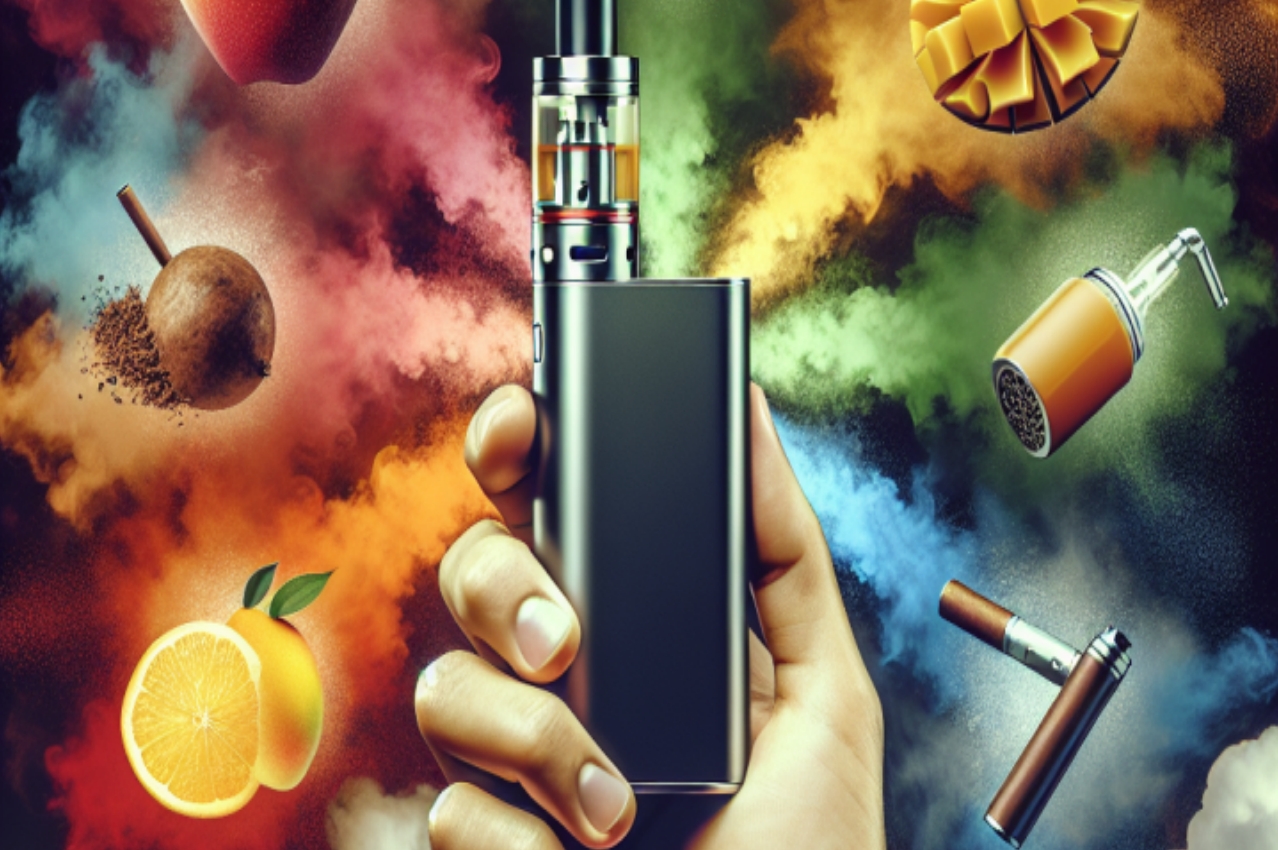
    Sensory testing of ten popular e-liquids showed that the difference in optimal flavor clarity between fruit, dessert, and menthol blends was as much as 20°C. To ensure the best vaping experience, we recommend a temperature range that highlights each vape flavor without creating harsh or burnt flavors. First, determine your vape flavor category and refer to the recommended temperature range as a starting point. By leveraging empirical data and thermal control vapes, you will unlock nuanced e-cigarette flavor layers and maintain long coil life in your favorite pod kit and box module setup.

    Use low temperature range for fruity vape flavors

    For vibrant vape flavors such as strawberry, mango, or watermelon, lower coil temperatures preserve delicate top notes and prevent sweeteners from caramelizing. You can set the coil between 350–390 °F. Thus, you can avoid caramelizing fresh fruit flavors. At the same time, I recommend starting at the lower limit and increasing in 10 °F increments until the desired juiciness is achieved. In addition, the wattage can be monitored to maintain a stable temperature, especially when using a pod kit with temperature control. This approach prevents overheating of the sweetener and ensures a consistent, clean fruit concentration with every puff. To further improve flavor delivery, try adjusting airflow in conjunction with temperature changes to achieve a personalized throat hit and vapor density that complements the characteristics of your chosen fruit flavor.

    Use low temperature range for fruity vape flavors

    Creamy and Dessert vape Flavors at Medium Temperatures

    Creamy vape flavors benefit even more from medium-temperature coils, which emphasize richness without irritating the throat. We can set the temperature around 390-440 °F. This way, you can fully vaporize the heavier flavor compounds. And you can fine-tune the temperature setting in 5 °C increments to observe smooth delivery and minimal dry burn. In addition, the higher VG ratio in these vape flavors may require a slight increase in wattage to achieve proper vaping. By adjusting to the optimal temperature, you will experience a velvety mouthfeel, rich vanilla and caramel undertones, and reach their most intense complexity. Pairing these temperature settings with coils with a larger surface area can enhance flavor intensity and maintain even heat distribution during long use.

    Menthol and Cooling Flavors at Different Temperatures

    Menthol vape flavors and menthol blends require careful temperature control to balance coolness and flavor clarity. We tested the coils at 360–420 °F, so we could enhance the coolness without dulling the brightness of the menthol. At the same time, I recommend using stainless steel coils in temperature control mode to adjust feedback instantly. In addition, layering menthol with fruit flavors may require dynamic temperature swings to start cool and then increase midway to reveal hidden fruity sweetness. This temperature regulation unlocks a multi-dimensional flavor experience with each inhale-exhale cycle. Finally, consider adding a small amount of baking soda to the base fluid to buffer the harsh sour taste and further smooth the refreshing taste of menthol at different temperature curves.

    Menthol and Cooling Flavors at Different Temperatures

    Tobacco and Caramel Flavors at High Temperatures

    Tobacco and spicy flavors are more intense at higher coil temperatures, bringing out rich toasty and caramel flavors. The coil temperature can be set between 420 and 480 °F. This way, you can get a rich tobacco leaf character and roasted sugar flavors. Many e-cigarette manufacturers have programmed temperature control profiles that hold peak temperature for 0.5 to 1 second to fully extract rich tobacco or coffee flavors. Also, when you use nickel or titanium coils, you can achieve precise control and minimize metallic taste. By using high temperatures, you can produce authentic, rich e-cigarette flavors that meet the needs of traditional tobacco lovers. To enhance complexity, you can mix in a small amount of smoky, woody or nutty flavors, and slightly adjust the temperature between 450 and 470 °F to highlight the background notes without the risk of burning.

    Features and layered configurations with dynamic control

    Complex or multi-layered vape flavors, such as tobacco-vanilla blends and fruit-cream fusions benefit from dynamic temperature curves. Therefore, we need to set multiple temperature stages, starting at a low temperature to capture the fruity top notes, and then gradually increasing to emphasize the creamy or spicy base notes. Dual-stage temperature curves are configured on some advanced pod kits to automatically complete these transitions during the 4-second puff process. In addition, vape devices with memory presets store these curves for consistent reproduction. This multi-stage approach transforms a single vape flavor into an evolving flavor journey that reveals new dimensions in the mid-inhale and on the exhale. Using dynamic curves in conjunction with real-time VOC sensor feedback allows fine-tuning of transitions for smoother flavor layering.

    A smoother flavor experience

    When setting the coil temperature for different vape flavours, it is essential to classify the e-liquid and apply the corresponding temperature: fruity, 350-390°F; creamy, 390-440°F; minty, 360-420°F; and tobacco, 420-480°F. If your pod kit supports temperature control, you can make incremental temperature adjustments and utilize multi-stage curves for complex blendin

    [/et_pb_text][et_pb_code _builder_version=”4.27.4″ _module_preset=”default” global_colors_info=”{}” theme_builder_area=”post_content”]Share On:[Sassy_Social_Share][/et_pb_code][/et_pb_column][/et_pb_row][/et_pb_section]
  • How to preheat the coil to get the best vape flavor?

    How to preheat the coil to get the best vape flavor?

    [et_pb_section fb_built="1" theme_builder_area="post_content" _builder_version="4.27.4" _module_preset="default" background_color="#000000" hover_enabled="0" sticky_enabled="0"][et_pb_row _builder_version="4.27.4" _module_preset="default" theme_builder_area="post_content"][et_pb_column _builder_version="4.27.4" _module_preset="default" type="4_4" theme_builder_area="post_content"][et_pb_image src="http://headless.local/wp-content/uploads/2025/05/best-vape-flavor-9-1.jpg" _builder_version="4.27.4" _module_preset="default" theme_builder_area="post_content" align="center" hover_enabled="0" sticky_enabled="0" alt="best vape flavor 9-1" title_text="best vape flavor 9-1"][/et_pb_image][et_pb_text _builder_version="4.27.4" _module_preset="default" theme_builder_area="post_content" hover_enabled="0" sticky_enabled="0"]

    May 27, 2025 / Blog / By administrator

    [/et_pb_text][et_pb_text _builder_version=”4.27.4″ _module_preset=”default” theme_builder_area=”post_content” hover_enabled=”0″ sticky_enabled=”0″]

    How to preheat the coil to get the best vape flavor?

    Getting the best vape flavor starts before your first inhalation. When you turn on your device and initiate the preheating feature, preheating your coil, sometimes called “priming,” heats the heating element and wicks to the ideal temperature before you fully inhale, ensuring consistent atomization and avoiding dry puffs. Preheating can unlock rich, creamy flavors from complex e-liquid formulas when done correctly. Extensive research and user feedback, especially from the THELEMA ELITE S series, have informed your coil preheating technique, maximizing flavor clarity, vapor density, and coil life.

    Get the best vape flavor with coil preheating.

    What happens inside the coil during preheating can help. When you light an unheated coil, the sudden temperature spike can cause thicker, high-VG e-liquids to under-evaporate, resulting in diminished flavor and uneven wicking. A controlled preheating sequence gradually raises the coil temperature—typically 200–300°F—to saturate the wick while fully volatilizing lighter aroma compounds. This balance prevents overheating and “burnt” flavors from masking subtle flavors. The chipset’s preheat mode in the THELEMA ELITE S uses short, customizable wattage pulses to lock the coil at the preheat level for 1-3 seconds, ready for a smooth, full-bodied draw. By leveraging this technology, vapers can consistently capture every layer of flavor from their e-liquid.

    Get the best vaping flavor with coil preheating

    Thelema Elite S Preheat Mode Details

    THELEMA ELITE S offers different preheat modes, including Steady State, Boost, and Energy Saving. Each is designed to customize vape flavor extraction. Steady State mode maintains a constant wattage during the preheat interval, perfect for balanced flavor and throat hit. Boost mode starts at a higher wattage (and gradually decreases to target power, enhancing initial flavor brightness without overdriving the coil. Eco mode slowly increases power to save battery and prevent premature coil degradation, which is ideal for high-resistance coils or delicate flavor concentrates. Users can experiment with these modes, adjusting the preheat time between 1-3 seconds via the side button to find the sweet spot that best amplifies their favorite e-liquid. Each mode’s unique power curve ensures optimal heat distribution over mesh or wire coils, delivering a consistent, full-bodied vape flavor with every puff.

    Manual Coil Preheating Tips

    In addition to device-driven preheating, manual priming techniques can further enhance e-cigarette flavor. First, thoroughly saturate the coil: drop a few drops of e-liquid directly onto the inlet and top until the cotton looks moist but not submerged. Let it sit for 2-3 seconds. Minutes to allow the wick to penetrate deeply. When ready, initiate a short preheat pulse to draw the e-liquid into the nooks and crannies of the coil. Afterward, gently unpowered drag to pull more liquid into the wick before firing at full power. This two-step approach prevents dry areas from scorching and ruining delicate flavors. Combining manual filling with the THELEMA ELITE S preheating creates a two-layer strategy that ensures the purest vape taste every time you activate the coil.

    Manual e-cigarette coil preheating tips

    Liquid Viscosity and Coil Compatibility

    Of course, not all e-liquids react to preheating the same. High-VG blends deliver thick, high-volume vapor but require longer preheat times or slightly higher wattage to volatilize the dense e-liquid fully. Conversely, high-PG or nicotine salt formulas vaporize more easily but can overheat and cause throat irritation if preheated too aggressively. Also, matching the coil resistance to your chosen e-liquid ensures even heat distribution. Our THELEMA ELITE S users report that a 0.15Ω mesh coil in enhanced preheat mode works well with 70/30 VG/PG blends work great together, while 0.6Ω ceramic coils work great with 50/50 high PG e-liquids in steady preheat mode. Adjusting preheat power and duration by viscosity and coil type can maximize vapor flavor in various e-liquid recipes.

    Tips for long-lasting vape flavor

    Long-lasting vape flavors also depend on clean coils and well-maintained atomizers. Gunk leftover from sweeteners and flavor additives coats coils over time, weakening vapor production and reducing waste. So, regularly perform a “deep clean” preheat procedure: remove the cartridge or reservoir, set the device to steady preheat on low power for 5-7 seconds to gently burn off the light residue, and then let the coil cool before re-vaping or adding new e-liquid. Combined with changing cartridges or coils every two weeks, ongoing maintenance ensures that the preheating function of other vape kits, such as the THELEMA ELITE S, will continue to provide a refreshing, rich e-cigarette taste throughout the life of each coil.

    Preheating for the best flavor

    Using the THELEMA ELITE S By preheating your vape juice, performing manual priming techniques, selecting compatible e-liquids, and maintaining your atomizer, you can create a holistic workflow that transforms every puff into a vape flavor showcase. With these strategies, every puff will reveal the proper depth and nuance of your favorite e-liquids.

    [/et_pb_text][et_pb_code _builder_version=”4.27.4″ _module_preset=”default” global_colors_info=”{}” theme_builder_area=”post_content”]Share On:[Sassy_Social_Share][/et_pb_code][/et_pb_column][/et_pb_row][/et_pb_section]
  • How does the PG/VG ratio affect vape flavors and smoke?

    How does the PG/VG ratio affect vape flavors and smoke?

    [et_pb_section fb_built="1" theme_builder_area="post_content" _builder_version="4.27.4" _module_preset="default" background_color="#000000" hover_enabled="0" sticky_enabled="0"][et_pb_row _builder_version="4.27.4" _module_preset="default" theme_builder_area="post_content"][et_pb_column _builder_version="4.27.4" _module_preset="default" type="4_4" theme_builder_area="post_content"][et_pb_image src="http://headless.local/wp-content/uploads/2025/04/vape-flavors-3-2-scaled.webp" _builder_version="4.27.4" _module_preset="default" theme_builder_area="post_content" hover_enabled="0" sticky_enabled="0" alt="vape flavors 3-2" title_text="vape flavors 3-2"][/et_pb_image][et_pb_text _builder_version="4.27.4" _module_preset="default" theme_builder_area="post_content" hover_enabled="0" sticky_enabled="0"]

    April 29, 2025 / Blog / By administrator

    [/et_pb_text][et_pb_text _builder_version=”4.27.4″ _module_preset=”default” theme_builder_area=”post_content” hover_enabled=”0″ sticky_enabled=”0″]

    How does the PG/VG ratio affect vape flavors and smoke?

    The balance of PG and VG in your e-liquid determines vapor production and plays a key role in shaping flavor intensity, throat hit, and overall mouthfeel. PG is a thin, flavor-carrying base that anchors many strong vape flavors, delivering a distinct, immediate mouthfeel. Conversely, VG is thicker and sweeter, producing a larger cloud and smoothing out the rough edges.

    As you delve deeper into this article, we’ll share how different PG/VG ratios affect every aspect of the vaping experience—from throat hit and flavor fidelity to coil life and device compatibility—enabling you to choose an e-liquid that maximizes your vape flavor.

    High-PG blends for a stronger throat hit and stronger vape flavors

    E-liquids with a higher PG content (50% PG and above) deliver an extreme mouthfeel and a strong throat hit that resembles the traditional cigarette experience. This makes high-PG e-liquids especially popular among smokers who are new to vaping. Because PG has a lower viscosity, it quickly penetrates the coil and evaporates cleanly at lower temperatures, ensuring delicate notes in your e-cigarette.

    In addition, vape flavors with high PG content can provide a noticeable throat hit, which provides a satisfying physical sensation and intensifies each inhalation, which VG cannot replicate. This feature is crucial when making vape juices with intense flavors like menthol, cinnamon, or rich fruit. However, vape juice blends with high PG content will stress the coil more quickly. They may not be suitable for all vape users, especially those who are sensitive to throat irritation. Balancing the PG content around 60% to 70% usually achieves the best balance.

    High-PG blends for a stronger throat hit and a stronger vape flavor

    High-VG blends for smooth taste and high-smoke vape flavors

    Vape flavors with 50% VG content and above represent thick, smooth smoke and a silky, almost sweet mist that can soothe throat discomfort. It is usually an ideal carrier for vape flavors that lean toward desserts, beverages, or custard flavors. Their higher viscosity allows them to retain flavor compounds more slowly, creating a full-bodied mouthfeel highlighting deeper mid-note flavors.

    VG also maximizes the taste of your e-cigarette vapor. For vapers seeking more volume, a VG-rich base produces a thicker, fuller vapor while minimizing the harsh taste that can come with a blend high in PG. This feature is particularly effective in sub-ohm and DTL vapes, which run over 30 watts and have a very open airflow.

    High-PG blends for a stronger throat hit and a stronger vape flavor

    Balancing PG/VG for a Personalized Flavor

    If you’re looking for the “perfect” vape flavor, it’s all about finding the ideal PG/VG ratio that balances mouthfeel, throat hit, and vapor volume. Mid-range blends, typically 50/50 or 60/40 VG/PG, are highly regarded for versatility. These ratios provide moderate vapor volume, good flavor fidelity, and a comfortable throat hit.

    When customizing your e-liquid formula, consider the concentration of your concentrate and your desired flavor profile. A potent fruity or minty blend may require a slightly higher PG ratio to enhance the taste, while a dessert or nutty blend may require VG to emphasize its rich taste. Due to coil and wicking performance limitations, pod kit users generally prefer a ratio in the 50/50 to 60/40 range. These balanced vape flavor is compatible with most devices, reduce the risk of dry burns, and extend coil life.

    Device Compatibility and Coil PG/VG Ratio Considerations

    The right PG/VG ratio to create the right vape flavor is not only about taste but also the device’s design and coil configuration. Low-power vape cartridge systems and MTL vapes generally work best with higher PG ratios because thinner e-liquids absorb faster and prevent spills or leaks in tight coil packs. Conversely, low-power atomizers and DTL mods have higher power and larger airflow, so they work better in e-cigarettes with higher VG ratios, producing the rich smoke that vape enthusiasts demand.

    Coil material and resistance will also affect your choice. Ceramic or mesh coils are known for their fast heat-up times and high surface area, making them ideal for VG-rich e-cigarette flavors, producing strong vapor clouds and smooth tastes. In temperature-controlled mode, nickel or stainless steel coils can handle a wide range of PG/VG ratios. Still, PG-rich hybrids use the metal’s fast thermal conductivity to emphasize a more pungent taste.

    PG VG Ratio Considerations

    The role of long-term consistency and PG/VG stability

    E-cigarette flavor consistency is closely related to the consistency of the PG/VG ratio. Fluctuations in the base ratio between batches or bottles can lead to instability in throat hit, vapor volume, and flavor concentration. To maintain a reliable vape experience, many e-cigarette enthusiasts and small-batch e-liquid manufacturers use precise measurement methods, high-precision scales or automatic blending mechanisms to ensure that each bottle of e-liquid is exactly the expected PG/VG ratio.

    Storing e-liquids in stable environmental conditions can further maintain their PG/VG content, as exposure to heat or light can accelerate the degradation of e-liquids and flavors. Lost Vape typically publishes stability test data to verify that its e-liquids maintain a consistent PG/VG ratio and vape flavor profile over the shelf life.

    Master the PG/VG ratio for the ultimate taste experience.

    High PG blends provide a rich vape flavor, and a satisfying throat hit, perfect for stronger fruit, menthol, and tobacco vape flavors. High VG blends offer a rich and smooth vape flavor with rich smoke, which is ideal for creamy desserts or candy flavors. The balanced mid-range ratio provides a variety of compatibility, perfectly blending flavor fidelity with smoke production in various hardware.

    [/et_pb_text][et_pb_code _builder_version=”4.27.4″ _module_preset=”default” global_colors_info=”{}” theme_builder_area=”post_content”]Share On:[Sassy_Social_Share][/et_pb_code][/et_pb_column][/et_pb_row][/et_pb_section]